
Whitening before veneers is almost always the better route — but there are exceptions.
Why? Because veneers (porcelain or composite) don’t respond to bleaching. If you place veneers first and then bleach natural teeth, the natural teeth will lighten, but the veneers will stay the same shade, creating a mismatch.
For predictable, long-lasting cosmetic results, most dentists and cosmetic teams recommend whitening first, allowing the natural tooth colour to stabilise, and then choosing veneers shades that match the newly bleached teeth.
That said, if veneers are already in place and your natural teeth have darkened over time, there are options—but they often involve either replacing the veneers or restoring the surrounding tooth structure. We’ll explain that in later sections.
At LA Teeth Whitening Basildon, we deliver a professional at-home whitening treatment: a trained technician brings dentist-grade products and supervision to your home, safely whitens your natural teeth, monitors sensitivity, and advises on timing for any cosmetic work like veneers.
What Happens When You Combine Teeth Whitening and Veneers Basildon?
Combining whitening and veneers is a two-step cosmetic plan that, when coordinated correctly, gives the most harmonious result.
Typical sequence and what happens at each stage:
- Consultation & planning: We assess tooth health, restorability, and the goals. If veneers are being considered, we discuss shade goals and timing.
- Professional whitening (at home with supervision): We apply a controlled, dentist-grade bleaching protocol over a few sessions at your home. This lightens your natural enamel predictably.
- Stabilisation period: Teeth need time (usually 1–2 weeks) for shade stabilisation — this lets the colour “settle” and for any transient sensitivity to subside.
- Shade selection and veneers fabrication: Once the shade is stable, veneers are fabricated to match the whitened teeth. This avoids the problem of mismatched colours later.
- Final placement: Veneers are bonded, giving a bright, even smile.
If combined improperly (for example, veneers placed before a whitening plan), you can end up with uneven colour, which usually requires replacing the veneers or additional restorative work to correct the mismatch.
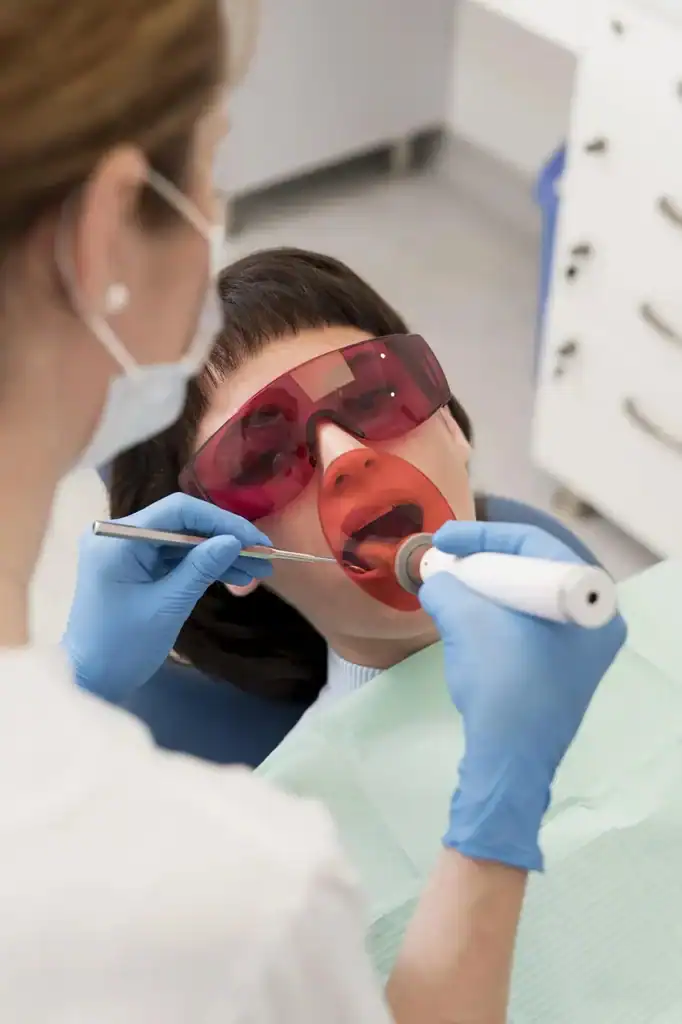
Can You Whiten Your Teeth After Veneers Are Placed?
Yes — but with important caveats.
- Porcelain veneers: Porcelain itself does not bleach. If you attempt professional bleaching after porcelain veneers are placed, the natural teeth can lighten while the porcelain remains unchanged, resulting in a colour mismatch.
- Composite veneers/bonding: Composite can be more responsive to surface polishing and may show some improvement with specific treatments, but composites generally don’t respond reliably to bleaching either. In some cases, bleaching can make composite margins more noticeable.
- What you can do: If veneers are already in place and you want a whiter overall smile, options include replacing the veneers to match the new tooth shade, professionally cleaning and polishing veneers to remove surface stains, or limiting whitening to small areas — but this is rarely ideal.
What Are the Risks of Whitening After Veneers Placement?
Whitening after veneers carries several risks you should know about:
- Colour mismatch: The most common issue — natural teeth lighten, veneers don’t, so the smile looks uneven.
- Sensitive margins: Bleaching agents can increase sensitivity at the veneers-to-natural-tooth junction, making margins visible or uncomfortable.
- Bonding/adhesive effects (less common but possible): Aggressive or unsupervised bleaching could affect composite bonding materials at margins, potentially compromising the look or requiring re-bonding.
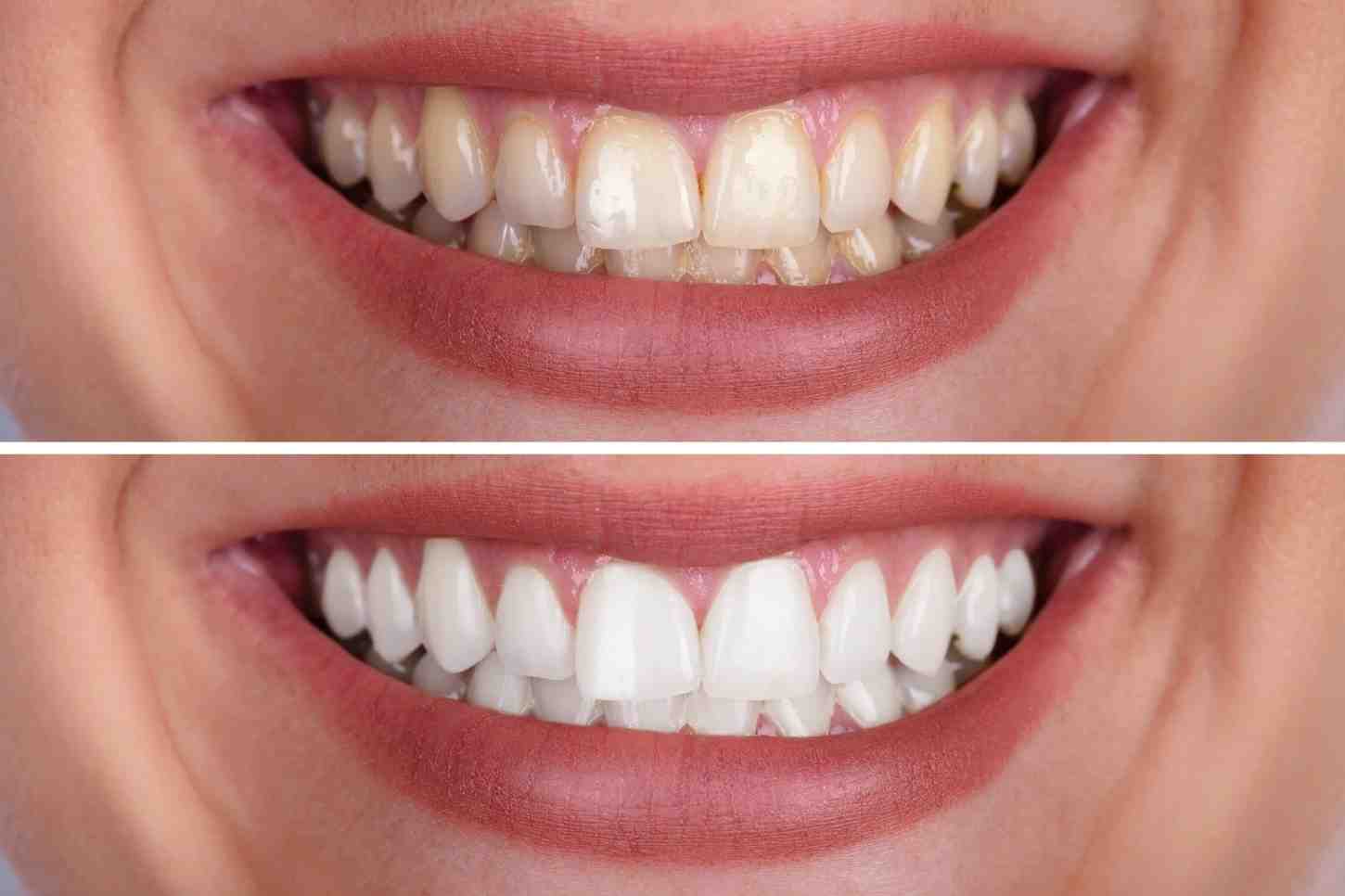
- Surface changes to composite: If your veneers or restorations are composite, bleaching may not lighten them and could affect surface texture, requiring polishing or replacement. See Our Before And After Laser Teeth Whitening Results here!
- False expectations and wasted expense: People sometimes hope a quick whitening will freshen everything; when that fails to change the veneers colour, it can lead to disappointment and additional costs for replacements.
Because LA Teeth Whitening Basildon delivers professional in-home treatments under clinical supervision, we evaluate existing restorations beforehand and explain what to expect. If you already have veneers, we’ll discuss whether whitening will help, whether polishing or replacing veneers is a better choice, and the likely costs/benefits.
Whitening Before vs After Veneers — Which Gives the Best Results Basildon?
| Factor | Whitening Before Veneers | Whitening After Veneers |
|---|---|---|
| Color predictability | High — veneers can be matched to the whitened shade. | Low — natural teeth may lighten but veneers won’t, causing mismatch. |
| Longevity of aesthetic result | Longer — cohesive, consistent shade across teeth. | Shorter/uncertain — may require replacing veneers later. |
| Risk of sensitivity or margin issues | Standard, manageable sensitivity from bleaching; margins created after whitening. | Higher risk of visible margins and sensitivity at existing interfaces. |
| Need for future dental work | Usually none beyond standard maintenance. | Often need veneers replacement or re-polishing/repair. |
| Cost-effectiveness | More cost-effective long-term — avoids unnecessary replacements. | Potentially more expensive if veneers must be replaced to match new shade. |
| Recommended when | You plan veneers and want the brightest, most even shade. | Veneers already present and you want to try conservative options first — but expect possible replacement. |
What’s the Ideal Sequence for a Brighter, More Even Smile?
A practical, ideal sequence most clinicians follow:
- Full dental check & planning: Confirm no untreated decay, gum disease, or defective restorations. Whitening only works well on healthy teeth.
- Professional whitening (we do this as an at-home service): A trained technician brings dentist-grade whitening to your home, applies treatment over the recommended number of sessions, and monitors sensitivity and progress.
- Wait for colour stabilisation (1–2 weeks): Teeth often experience a slight rebound. Waiting lets you and your dentist choose the final veneers shade with confidence.
- Conservative restorative moves: If veneers are part of the plan, shade the veneers to match the newly whitened teeth. If veneers are already in place and you still want whiter teeth, discuss replacing the veneers or exploring alternative restorative options with your dentist.
- Maintenance: Use gentle whitening maintenance or periodic touch-ups, as recommended by the clinician, to keep natural teeth bright — done under supervision as needed.
This sequence gives the highest chance of a natural, even, and durable result.
How Often Should You Re-whiten Your Natural Teeth Around Veneers Basildon?
There is no single “right” interval — it depends on habits and goals. Factors that affect timing:
- Diet (coffee, tea, red wine, curry, tobacco)
- Oral hygiene habits
- Age and enamel thickness
- Use of stain-promoting medications
General guidance:
- Many people need a touch-up every 12–18 months to maintain a bright shade if they have staining habits.
- Others with very low staining habits may wait 2 years or more. See Our Amazing Offers On Laser Teeth Whitening Prices
- If you have veneers, touch-ups should be conservative and always supervised to avoid recreating a mismatch between natural teeth and restorations.
At LA Teeth Whitening Basildon, we offer tailored maintenance schedules after your initial at-home course. We monitor how your natural teeth respond and recommend touch-up frequency that keeps your smile in balance with any veneers.
What Do Experts Recommend — Whitening Before or After Veneers?
Combining guidance from cosmetic dentists and restorative specialists, the standard expert recommendation is:
- Whiten first, then place veneers to match the new shade. This is the most predictable, aesthetic, and cost-effective approach.
- If veneers already exist and whitening is desired, experts often recommend replacing or re-fabricating the veneers to achieve a uniform shade rather than risking a mismatch.
- Conservative approaches (polishing, stain removal) may help address superficial discolouration of veneers, but they won’t change the colour of porcelain; experts emphasise the need to manage expectations.
Your cosmetic dentist or restoration specialist should be involved in the decision. LA Teeth Whitening Basildon partners with dental practices and provides the whitening portion as a clinically supervised at-home service, so your dentist can plan the veneer step with confidence.
What’s the Final Verdict for the Brightest, Longest-Lasting Smile Basildon?
If you want the brightest, longest-lasting, most natural result: whiten your natural teeth first using a professional protocol, allow time for shade stabilisation, and then place veneers matched to that shade.
Key takeaways:
- Veneers don’t bleach. Plan whitening first if veneers are included.
- Whitening after veneers is possible but unpredictable and often leads to additional restorative work.
- Professional, supervised whitening (like LA Teeth Whitening Basildon at-home treatment) minimises sensitivity, gives controlled results, and makes shade matching for veneers straightforward. Contact Us Today TO Book Your Session Here!
- Maintenance is ongoing — lifestyle and oral hygiene determine how often touch-ups are needed.
FAQs – Whitening Before or After Veneers
Q: Should I whiten before or after getting veneers?
Whiten before veneers. Veneers don’t bleach, so whitening first ensures the dentist matches them to your brighter natural teeth for an even smile.
Q: Can I whiten my teeth if I already have veneers?
Yes, but only your natural teeth will whiten. Veneers will stay the same shade, which may cause uneven colour.
Q: Will my veneers get lighter if I whiten after they’re placed?
No. Porcelain and composite veneers do not bleach. Only your real teeth will change shade.
Q: What are the risks of whitening after veneers?
Possible issues include colour mismatch, visible veneer margins, and sensitivity where the veneer meets the tooth.
Q: Can composite veneers or bonding be whitened?
Not effectively. Composite may polish slightly but won’t lighten with whitening gels. Many patients in Pitsea choose replacement for a brighter look.
Q: How long should I wait between whitening and veneers?
1–2 weeks for the whitening shade to stabilise. This delay helps dentists in Basildon match veneers accurately.
For More Information, Please Contact Us Today